English for kids that grows with them.

Lessons for ages 4–14 that balance play, structure, and real learning.
Curiosity first. Confidence next. Language that stays.

Children don’t learn a language by filling pages.
They learn by using it, hearing it, trying it, and feeling safe enough to try again.

My lessons are engaging, but never random.
Every game, story, or activity has a reason behind it.

For younger learners, English begins as discovery.
For older kids and teens, it becomes a tool for expression and independence.

Curiosity first. Confidence next. Language that stays.

CHAK8764 | English Explorers
EDUBIN0545
EDUBIN0547
EDUBIN0584
EDUBIN0535

Questions? Call or text +41 76 269 92 03 to discuss your child's needs

EDUBIN0260 | English Explorers
SE82SF4 | English Explorers

How I Teach Kids

With children, connection comes before correction.

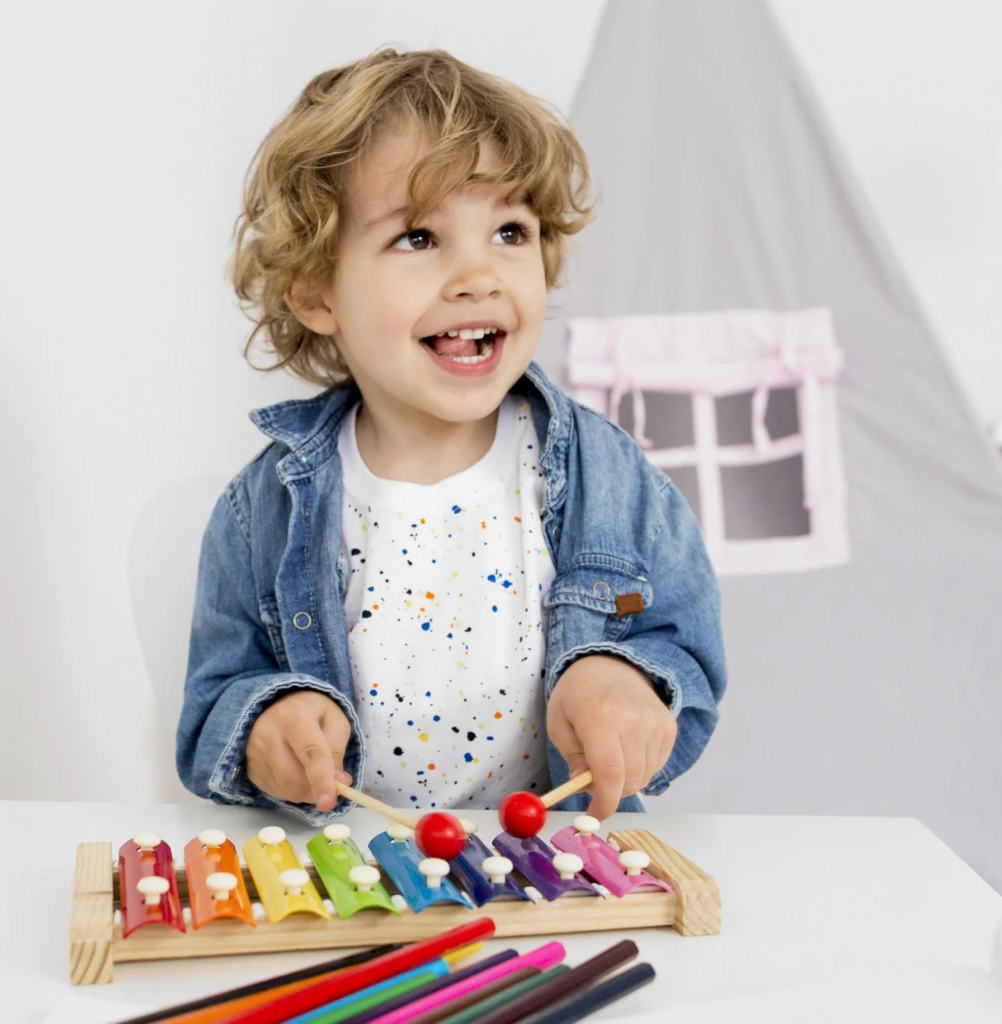
Some days we learn through stories or role-play.
Sometimes a puppet “forgets” English and needs help.
Sometimes we sing, draw, or build small challenges that make English part of the fun.

But behind the lightness, there is structure.
I track progress, revisit key language, and guide children toward real improvement.

I am patient, but not passive.
Warm, but not chaotic.
Kids feel safe, yet they know I expect effort.

That balance is where growth happens.

When children are engaged, they stop worrying about being right. They just use the language.

front view boy playing with xylophone | English Explorers

What lessons include

Every lesson is built around real use of English, not just exposure to it.

Conversational English

Children learn to use English, not just recognize it. We practice asking, answering, reacting, and expressing ideas in a natural way.

Phonics & Reading

We help children understand how English sounds and fits together, so reading feels possible, not intimidating.

Storytelling & Songs

Stories and songs make language memorable. They help children absorb rhythm, pronunciation, and meaning without pressure.

Creative Learning

Role-play, games, and hands-on activities turn English into something children participate in, not just receive.

ginger small girl with freckles school uniform holding her head with her hands sitting desk purple background | English Explorers

Homework and Support at Home

Children already have full school days.
I don’t assign homework automatically.

If parents request it, I give light, meaningful practice.
Short tasks that reinforce what we’ve learned, never busywork.

I’m also happy to guide parents on how to support English naturally at home without turning it into another school subject.

"I believe in learning during our time together, not adding stress to family time."

Different ages, different needs

A 5-year-old and a 13-year-old should not have the same lesson.
Children grow quickly, and their learning should grow with them.

English becomes a tool for school and life. We focus on fluency, clarity, and confidence speaking.

Kids begin expressing ideas. We expand vocabulary, sentence building, and comprehension.

Learning happens through play, repetition, and imagination. We build listening skills and early speaking confidence.

Why one-to-one lessons make a difference

Children don’t all learn the same way or at the same pace. In a classroom, it’s easy to stay quiet, follow along, and never really try speaking. In a one-to-one lesson, your child has space to think, speak, and be heard.
That changes how they learn.

👤 Personalized Learning

Lessons follow your child’s level, interests, and energy. Not a fixed curriculum.

🏡 Space to Speak

Your child doesn’t compete for attention. They have the room to use their voice.

🎯 Individual Attention

With a private teacher, your child receives full support and encouragement. No competing for attention.

📈 Confidence First, Progress Next

Focused lessons ensure quicker language acquisition and confidence building.

217062GG | English Explorers
man quarantine kitchen using laptop work scaled | English Explorers

Clases en línea

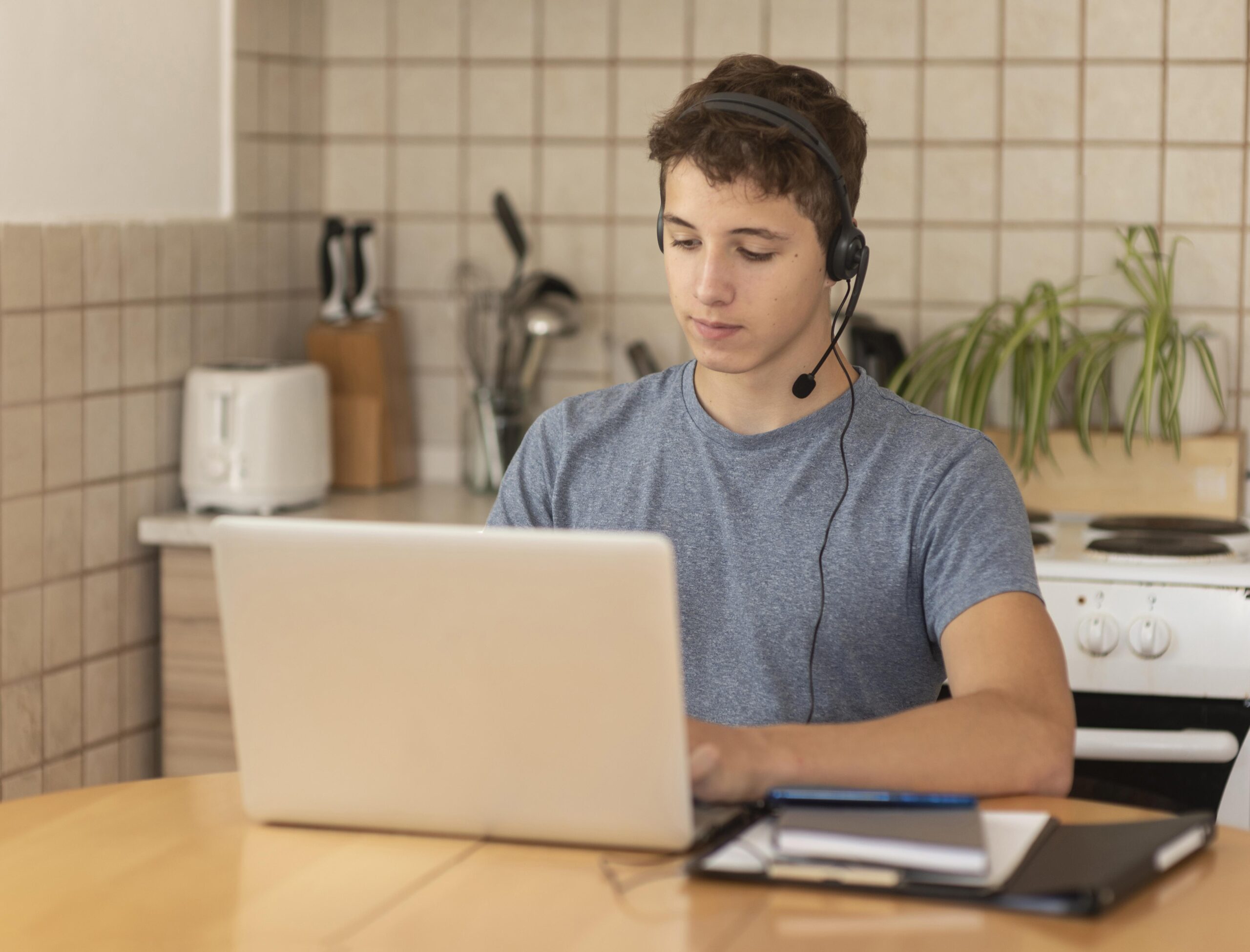
Older kids and teens adapt well to online learning when lessons are interactive.

We use conversation, visuals, and real-time activities so the screen doesn’t feel passive.

The goal is participation, not just watching.
Students speak, think, and respond.

Many parents are surprised how focused their child can be in a well-guided online lesson.

The first lesson is about understanding your child

The trial lesson is not a test. It’s a gentle introduction.

I observe how your child communicates, listens, and reacts. I see what sparks their interest and where they feel unsure.

From there, I build a plan that fits your child, not a generic program.

If you’re looking for lessons that respect your child’s pace while still aiming for real progress, we may be a good fit.

If it feels right, we continue. If not, your child still had a positive experience with English.

Ready to improve your English?

Start with a trial lesson. See how it feels. No pressure, just a real session.

If it fits, we continue. If not, you still practiced your English.

Untitled design 5 | English Explorers